You signed up for a sprint triathlon. Probably a 750m swim, 20K bike, 5K run. Now you're scrolling through bike listings and wondering if you need to spend your mortgage payment on carbon fiber. Let's bring some sanity to this decision.
The Math on Sprint Distance
At sprint distance, the bike leg is roughly 12.4 miles. A recreational cyclist might complete this in 45-55 minutes. An efficient aero position on a tri bike might save 1-2 minutes over that distance compared to a road bike with clip-ons. That's meaningful—but it's not life-changing.
For context: improving your run by 30 seconds per mile (achievable with consistent training) saves you about the same time over the 5K. Practicing your transitions can save 1-2 minutes. Better pacing and nutrition? Another minute or two. The bike itself is one factor among many.
What Actually Matters at Sprint Distance
Fit and comfort: You need to be able to hold your position for 45+ minutes and then run. A bike that causes cramping or numbness will hurt your run more than aerodynamics will help your bike.
Reliability: A mechanical issue in a sprint race is devastating to your time. Well-maintained, reliable components matter more than grams saved.
Confidence: If you're not confident descending, cornering, or handling your bike in a group, you'll ride slower regardless of the equipment. Comfort breeds speed.
The Right Bike for Sprint Racing
For sprint distance, you have three good options. First, your existing road bike with clip-on aero bars. Total investment: $50-$150 for the bars. This gets you into a more aerodynamic position without any major purchase. It's how most people should start.
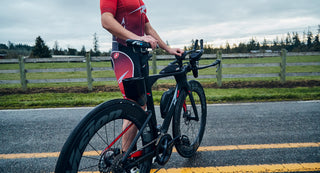
Second, an entry-level triathlon bike in the $2,000-$3,000 range. This makes sense if you're committed to doing multiple triathlons per year, plan to move up to Olympic distance, or want to start with purpose-built equipment.
Third, a road bike if you also want to do group rides and aren't sure triathlon is your long-term focus. The versatility has value.
Where to Actually Spend Money
If you're doing sprint tris, here's where your dollars will make you faster, ranked roughly by impact: a good helmet (properly fitted, ideally aero), cycling shoes with stiff soles, race-day nutrition dialed in, a bike fit (even basic), quality tires, and then the bike frame itself. Most people have this priority list backwards.
The Long-Term View
Here's a framework for thinking about bike investment: Do one or two sprint tris on whatever bike you have or can borrow. Figure out if you like the sport. If you're hooked, then invest in equipment that matches your ambitions. Many sprint racers move to Olympic distance within a year. Some go to 70.3 and beyond. Others realize they prefer running or cycling without the multisport complexity.
Buying a $5,000 bike before your first race is like buying a $2,000 espresso machine because you think you might like coffee. Start reasonably, upgrade deliberately.
The Bottom Line
For sprint triathlon, you don't need an expensive bike. You need a bike that fits, that's reliable, and that you're confident riding. Everything else is optimization. Get to the starting line, finish the race, learn what you actually need—then make smart equipment decisions based on experience, not anxiety.