
Triathlon Bike vs Road Bike: Which Should You Actually Buy?
It's the question every aspiring triathlete asks: should I buy a dedicated triathlon bike, or can I just use a road bike with clip-on aero bars? The answer depends on how you honestly answer a few key questions about your goals, budget, and riding style.
The Fundamental Difference: Geometry
Everything flows from geometry. Road bikes use a relaxed seat tube angle around 72-74 degrees, positioning you over the bottom bracket in a way that's comfortable for long rides and efficient for climbing. The handling is responsive, designed for group riding and quick directional changes.
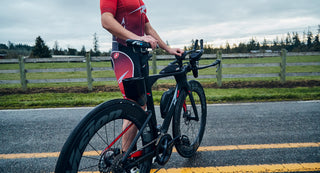
Triathlon bikes rotate you forward with a steeper 76-78 degree seat tube angle. This aggressive position opens your hip angle, recruiting different muscles and theoretically saving your running legs for T2. The tradeoff? Less stability, harder climbing, and a position that takes time to adapt to.
When a Road Bike Makes Sense
Choose a road bike if you want versatility above specialization. Road bikes excel at group rides, climbing, and varied terrain. You can add clip-on aero bars for triathlon use while still having a bike that handles well in a pack. If you're doing sprint and Olympic distance races with hilly courses, a road bike with aero bars might actually be faster than a tri bike you can't climb on.
Road bikes also make sense if you're new to cycling entirely. Learning bike handling, building fitness, and understanding what fit you need is easier on a more forgiving geometry.
When a Triathlon Bike Makes Sense
Choose a triathlon bike if you're serious about non-drafting races, especially at 70.3 and Ironman distances. The aerodynamic advantage of a purpose-built tri bike over a road bike with clip-ons is significant—we're talking 2-5 watts at the same speed, which translates to real minutes over 56 or 112 miles.
Triathlon bikes also make sense if you primarily ride solo. Their handling characteristics don't lend themselves to close-quarters group riding. But if your training consists of solo efforts focusing on maintaining aero position and steady power, a tri bike is the right tool.
The Speed Difference: Actual Numbers
On flat terrain at 20 mph, a triathlon bike saves approximately 15-25 watts compared to a road bike with clip-on bars, primarily through better aerodynamic integration and optimized rider position. That's roughly 2-3 minutes per hour of riding. Over an Ironman bike leg, we're talking 10-15 minutes.
But here's the catch: this assumes you can actually hold the aero position. A tri bike you can't get comfortable on is slower than a road bike you can ride in the drops. Position trumps equipment.
The Third Option: Start Road, Go Tri Later
Many successful triathletes take a staged approach. Start with a road bike to build fitness and bike handling skills. Race your first season or two. Learn what fit parameters work for you. Then buy a triathlon bike with confidence, knowing exactly what you need.
This approach costs more total but reduces the risk of an expensive mistake. It also means you'll have two bikes—which, if we're being honest, is something most triathletes end up with anyway.
The Real Question to Ask Yourself
Forget what the forums say. Ask yourself: what kind of riding will I actually do 80% of the time? If it's group rides and mixed terrain, get a road bike. If it's solo training and racing in non-drafting triathlons, get a tri bike. If you're unsure, start with the more versatile option.
Either way, fit and consistent training will make you faster than any equipment choice. The best bike is the one you'll actually ride.