The SP is Named One of Triathlete Magazine's Best Tri Bikes of 2026
Website: Triathlete
Author: Chris Foster and Travis Mundell

Triathlon bikes have come a long way since the current editors of Triathlete first began testing over a decade ago. Since then, our current crop of gear editors have ridden literally dozens of tri bikes, ranging from $1,500 to $15,000 and everywhere in between, and our triathlon backgrounds range from age grouper to former full-time professionals. All that is to say we know tri bikes, and we know how to parse marketing hype from an actually excellent ride; how to separate the bells and whistles from the meat and potatoes.
The best triathlon bikes in 2026 are on average much more expensive than they were 10 years ago, but they’ve also become more specialized. Today’s bikes have built-in hydration, nutrition storage, better aerodynamics, and more tuned rides to make you faster, more efficient, and more comfortable as you train and race.
Intangible factors like ride quality, handling, stability, fit flexibility, and if the hydration storage actually works as advertised can’t typically be gleaned from a brand website. So every single one of our reviews are a result of actually riding the bike and using it in training and racing scenarios alongside a depth of knowledge and deep history of riding almost literally every tri bike made in the last decade. Most importantly: If we can’t ride it, we won’t review it.

The bottom line: You won’t be able to find any tri bike at this price — let alone one with a superbike pedigree.
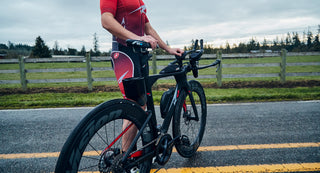
With the cost of top-end supermachines now rivaling the price of a new car, it’s refreshing to see Portland, Oregon’s A2 Bikes building high-performance race bikes for 15-20% less than comparable big-name models. Especially when they come with SRAM Force components, disc brakes, and Zipp wheels. And especially at a moment when tariffs are hurting every manufacturer sourcing parts from Asia – which is basically every bike maker on the market.
But competitive pricing isn’t A2’s only calling card. The SP line provides outstanding fit flexibility across a wide range of body types, with simple adjustments and DIY-friendly videos that enable non-engineers to dial in a decent position within an hour or two of receiving the bike. Thanks to a sliding seatpost head and innovative headset design, there’s a whopping 140mm of fore/aft adjustability alone. The bike also comes with aerobar risers to adjust cockpit height, though anyone looking to mimic the trend toward extra-tall stacks should note that the SP 1.3’s highest standard setting puts you in a fairly aggressive tuck.
A2 touts the quality of its carbon, which is sourced directly by founder AJ Alley from Taiwan, and the aerodynamics of a frame that features sleek lines, fairly traditional geometry, and refreshingly unostentatious aesthetics. Over three months of training and racing, the SP 1.3 provided a solid all-around ride, with average road vibration, consistent tracking at high speeds, and more dependable handling in windy conditions and around tight corners than our tester experienced with the previous generation SP 1.2.
Ride One of the Best Tri Bikes of 2026
Sign up for early access so you can be the first to get your hands on our newest SP model.


